



From 26 September to 8 October 2026, the Sala Comunale d'Arte in Trieste will host Planting Water, a photographic project by Peruvian photographer Musuk Nolte, winner of the inaugural Through Southern Lenses: Science in Focus international photography award.
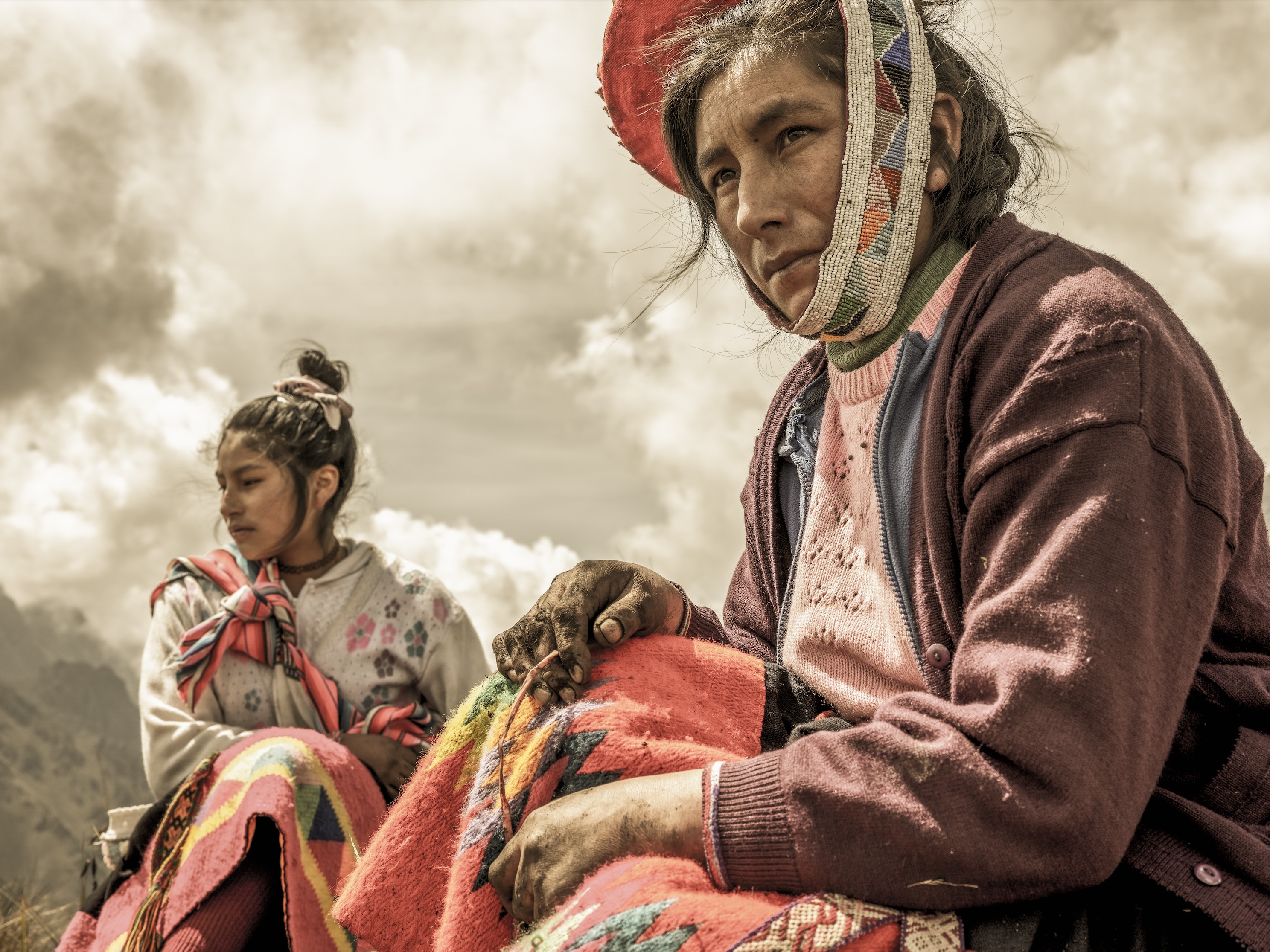
Through a series of photographs taken in the Peruvian Andes, Planting Water documents communities that have revived ancestral hydraulic systems to address water scarcity and adapt to climate variability. By restoring traditional water-management practices and working with the landscape rather than against it, these communities demonstrate how environmental knowledge can be cultivated and sustained across generations.
Launched in 2025, Through Southern Lenses: Science in Focus is an annual international photography award that celebrates scientific excellence across the developing world through the power of photography. Each year, the winning photo essay receives US$20,000 and is featured in an international exhibition. The initiative is a collaboration between the Conrado Wessel Foundation and The World Academy of Sciences (TWAS), which is a programme unit of UNESCO based in Trieste, Italy, dedicated to advancing scientific capacity and excellence in the global South.
For Musuk Nolte, the award provides an opportunity to continue documenting the relationship between water, communities, and environmental change.
"This recognition will allow me to continue independently documenting the situation of water access in different territories, emphasizing how some communities are integrating ancestral knowledge and science to adapt and cope with the climate variations their territories are facing,” said Nolte. “For me, it is deeply significant that science-based organizations promote documentary photography as a tool for disseminating and supporting scientific work, giving photographers the opportunity to reach wider audiences in the academic field.”
Following the first exhibition of the award-winning project in Rome in May-June 2026, Planting Water is now being presented in Trieste, bringing Musuk Nolte's work to a new audience, including the Trieste Next science festival.
Presented alongside Nolte's work, photographs from the TWAS archives document scientists, students, laboratories, and research institutions across the global South. Rather than focusing on individual discoveries, the images reveal the everyday practice of science through experimentation, fieldwork, teaching, collaboration, and mentorship. Together, the two bodies of work invite audiences to reflect on the many ways knowledge is created, shared, and preserved.
"Whether through photography or scientific research, understanding the world begins with careful observation. This exhibition highlights how different forms of knowledge, from ancestral practices rooted in local communities to contemporary scientific inquiry, can complement one another in addressing today's global challenges. Both science and photography help make visible relationships that are often overlooked, expanding our understanding of people, environments, and the connections between them," said Carlos Vogt, CEO of the Conrado Wessel Foundation.
"Art can bridge disciplines and cultures. By means of this initiative, we seek to support visual storytellers whose work demonstrates how knowledge, innovation, and cultural heritage contribute to building more sustainable and resilient futures. Photography has a unique ability to make complex issues accessible while fostering dialogue across communities and borders," said Marcelo Knobel, executive director of TWAS.
The exhibition in Trieste is supported by Banca di Credito Cooperativo Venezia Giulia.
More pictures at the following link.
Exhibition Information
Exhibition: Planting Water
Artist: Musuk Nolte
Venue: Sala Comunale d'Arte, Piazza Unità d'Italia 4, Trieste
Dates and time: 26 Sept. 14:00-22:00; 27 Sept. 10:00-20:00; 28 Sept. - 8 Oct. 10:00-13:00 and 17:00-20:00.
Admission: Free
About Planting Water
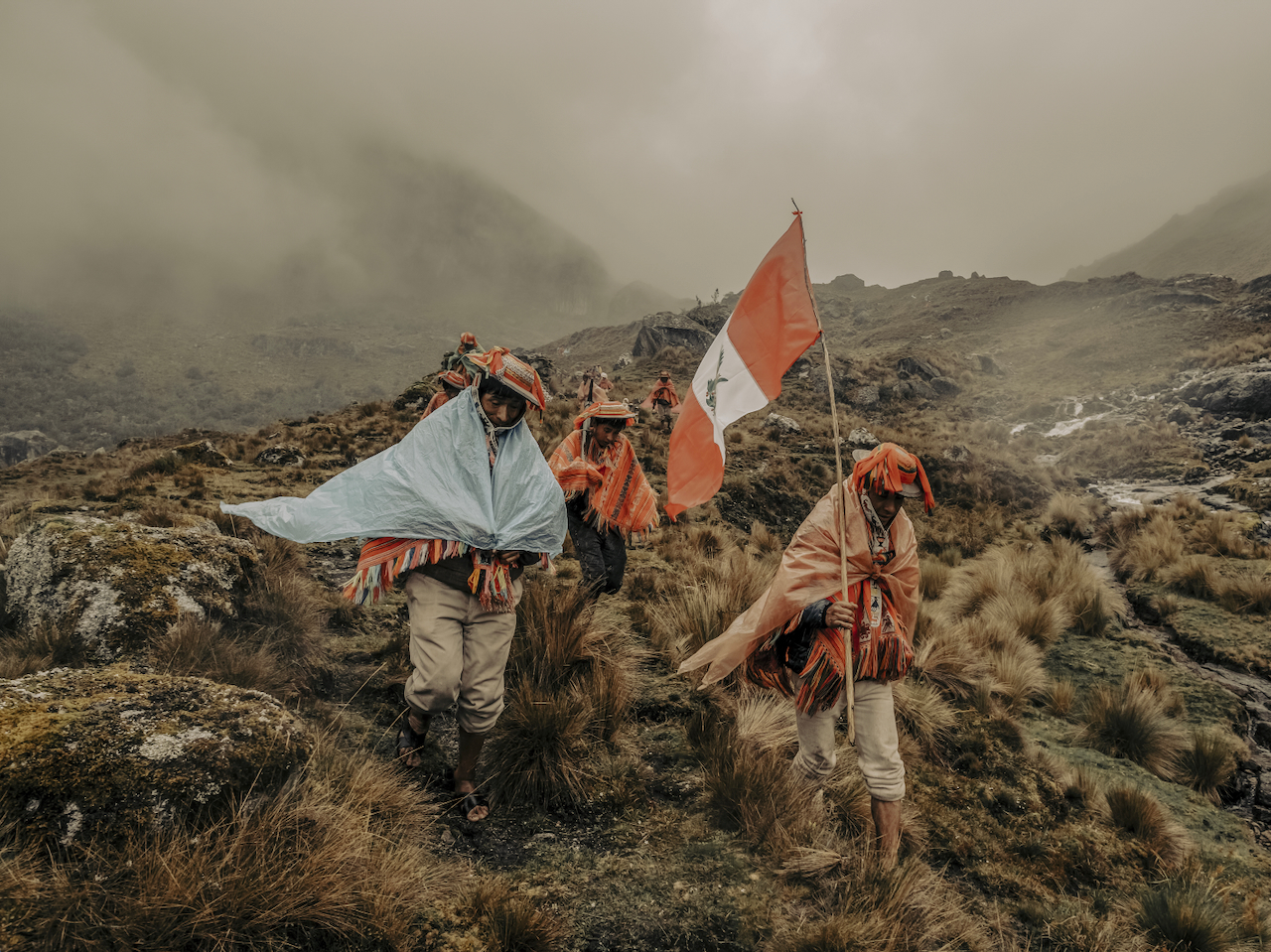
During the rainy season in the Peruvian Andes, the communities of Cusco, supported by ECOAN, have revived an ancestral technique known as ‘planting water’. It consists of collecting rainwater in wells so it can infiltrate the subsoil and be used in the dry season.
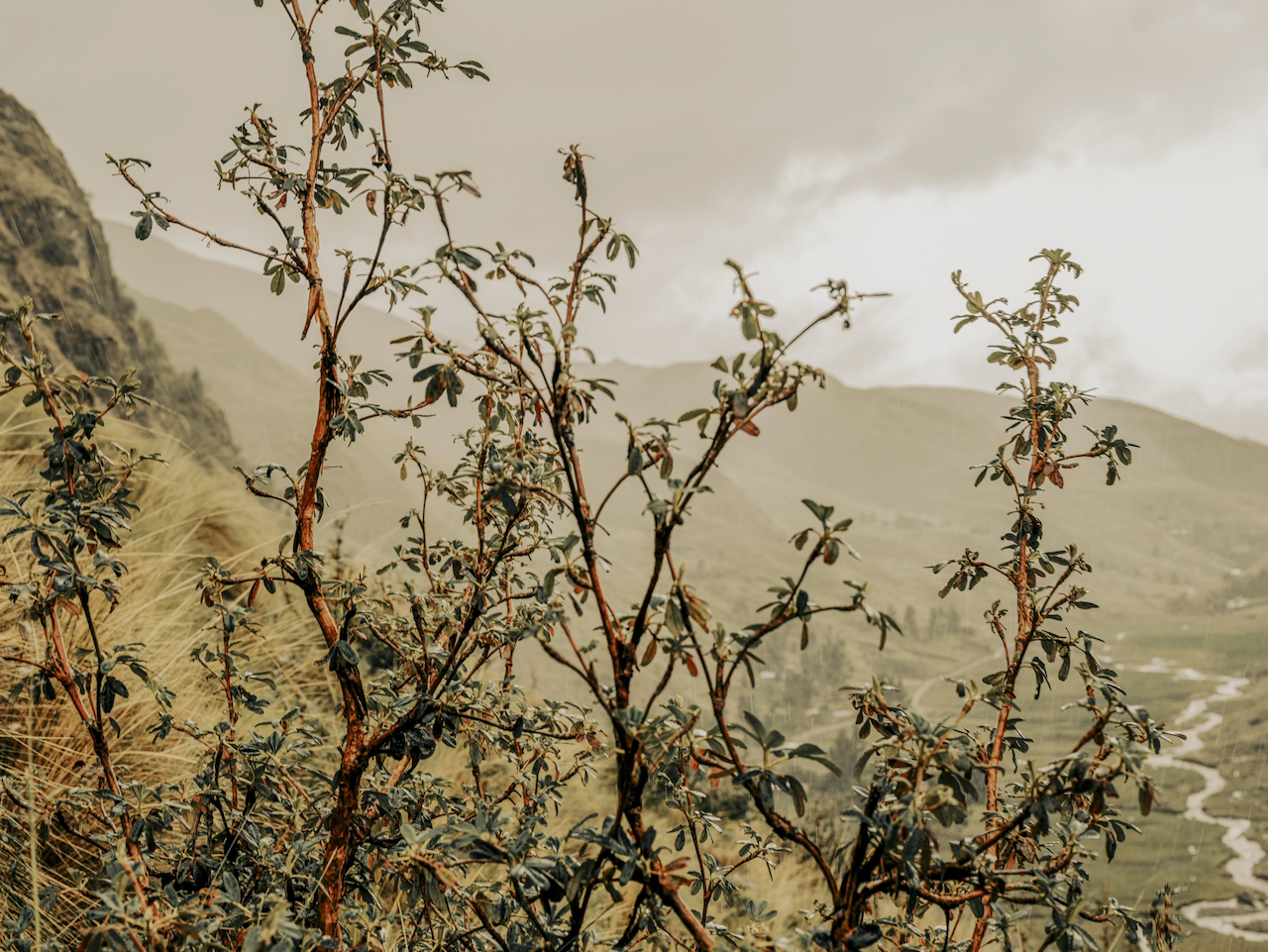
The practice is now complemented by planting Queñual, a native shrub that improves water infiltration in highland soils.
It also integrates modern seed-adaptation techniques, creating a bridge between ancestral knowledge and contemporary science. This collective work prepares communities for extreme events such as the severe droughts of the last decade. The Queñual Raymi brings people together to plant up to 150,000 shrubs in a single day, strengthening identity and promoting a sustainable relationship with the land.
About Musuk Nolte
Musuk Nolte (Mexico City, 1988, naturalized Peruvian) is a documentary and artistic photographer whose work focuses on cultural, social, and environmental issues. A National Geographic Explorer, he is currently developing a long-term project on South American water systems and the climate-driven water crisis, with a focus on the Andes and Amazonia, where he documents the impact of severe droughts and floods on local communities.
His work has been featured in museums and photography biennials across France, Singapore, South Korea, Brazil, and Spain. Beyond photography, he is the director of KWY Ediciones, an independent photography publisher supporting Latin American authors, and has published eight books, including Geographies of Water.