



Musuk Nolte, winner of the inaugural edition of the Through southern lenses: science in focus award, is a documentary and artistic photographer whose work focuses on cultural, social, and environmental issues. Through this work, Nolte highlights how tradition and science can come together to improve people’s lives.
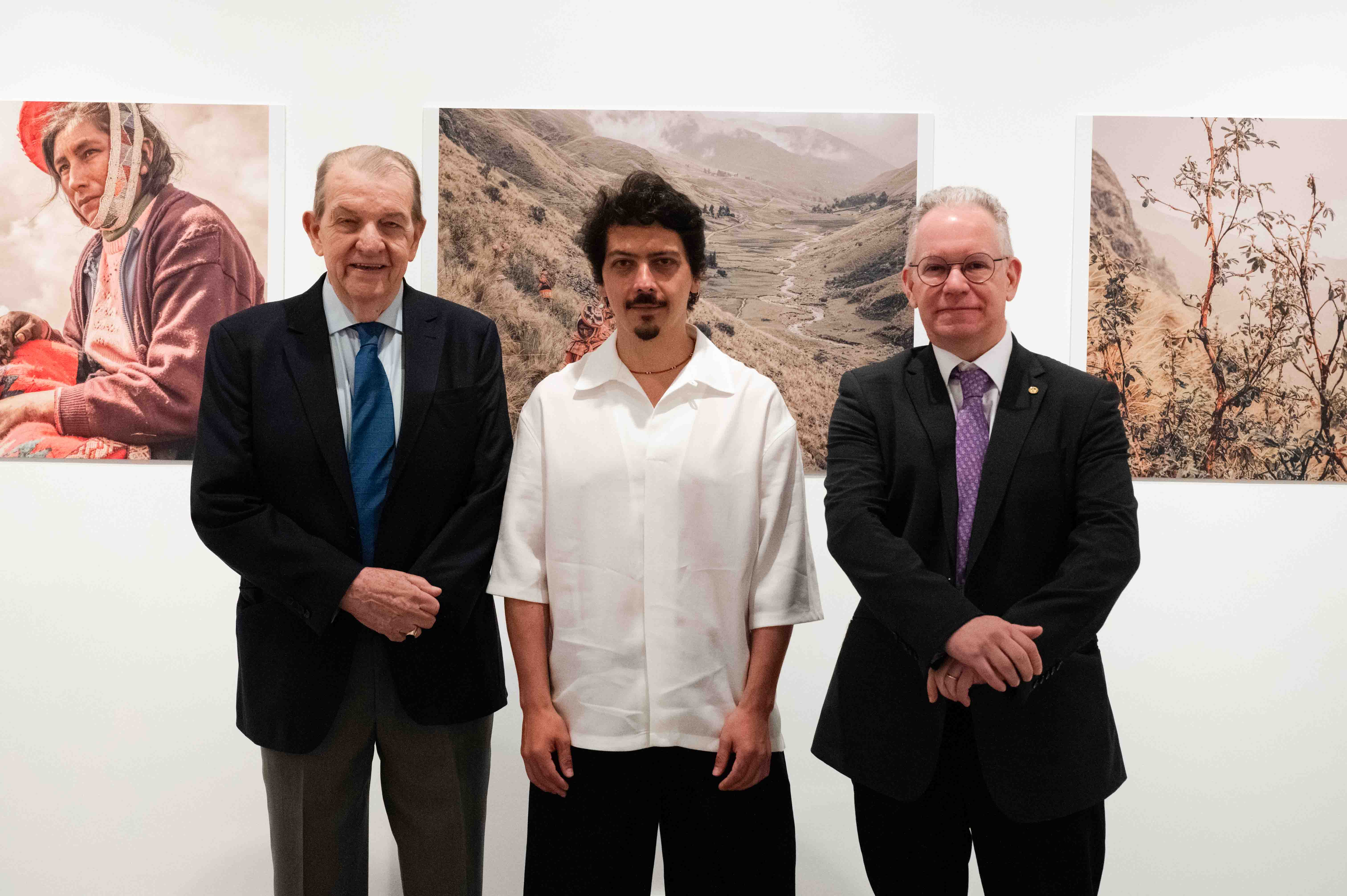
A naturalized Peruvian born in Mexico, Nolte won the competition launched by the Conrado Wessel Foundation (FCW) in partnership with TWAS with a photo essay documenting an ancestral water-management practice in the Cusco region of Peru. The award-winning work focuses on what local communities describe as “planting water”, an ancient but recently revived technique that connects ancestral knowledge with scientific approaches.
During the rainy season in the Peruvian Andes, communities collect rainwater in small wells so it can slowly infiltrate the subsoil and be stored for when it’s most needed. “The communities make a collective effort to reforest the headwaters, so during the dry season they can have an advantage,” he explains.
Headwaters are the upper areas of a watershed, where rainwater first accumulates and feeds streams and rivers. Protecting these zones is crucial, Nolte said, because they regulate water flow downstream. The practice of “planting water” combines traditional knowledge with reforestation efforts, including the planting of Queñual, a native highland shrub that improves water infiltration in highland soils. The practice also integrates modern seed-adaptation techniques, creating a bridge between ancestral practices and contemporary science. This fusion of tradition with modernity helps communities prepare for extreme events, such as the severe droughts experienced over the past decade.
“I believe that the project won because it’s compelling to see how science helps communities understand how to improve their reforestation processes,” he said.
For the independent photographer, the accomplishment has particular significance. He said the recognition that supports dialogue between different forms of knowledge has special value.
“This award is especially important because it helps us understand how science can enter into dialogue with ancestral knowledge, and how to find a way to avoid friction between them,” he said.
Over the past five years, Nolte has documented water-related stories that often focus on pollution, contamination, and scarcity. This project stood out as a rare positive example.
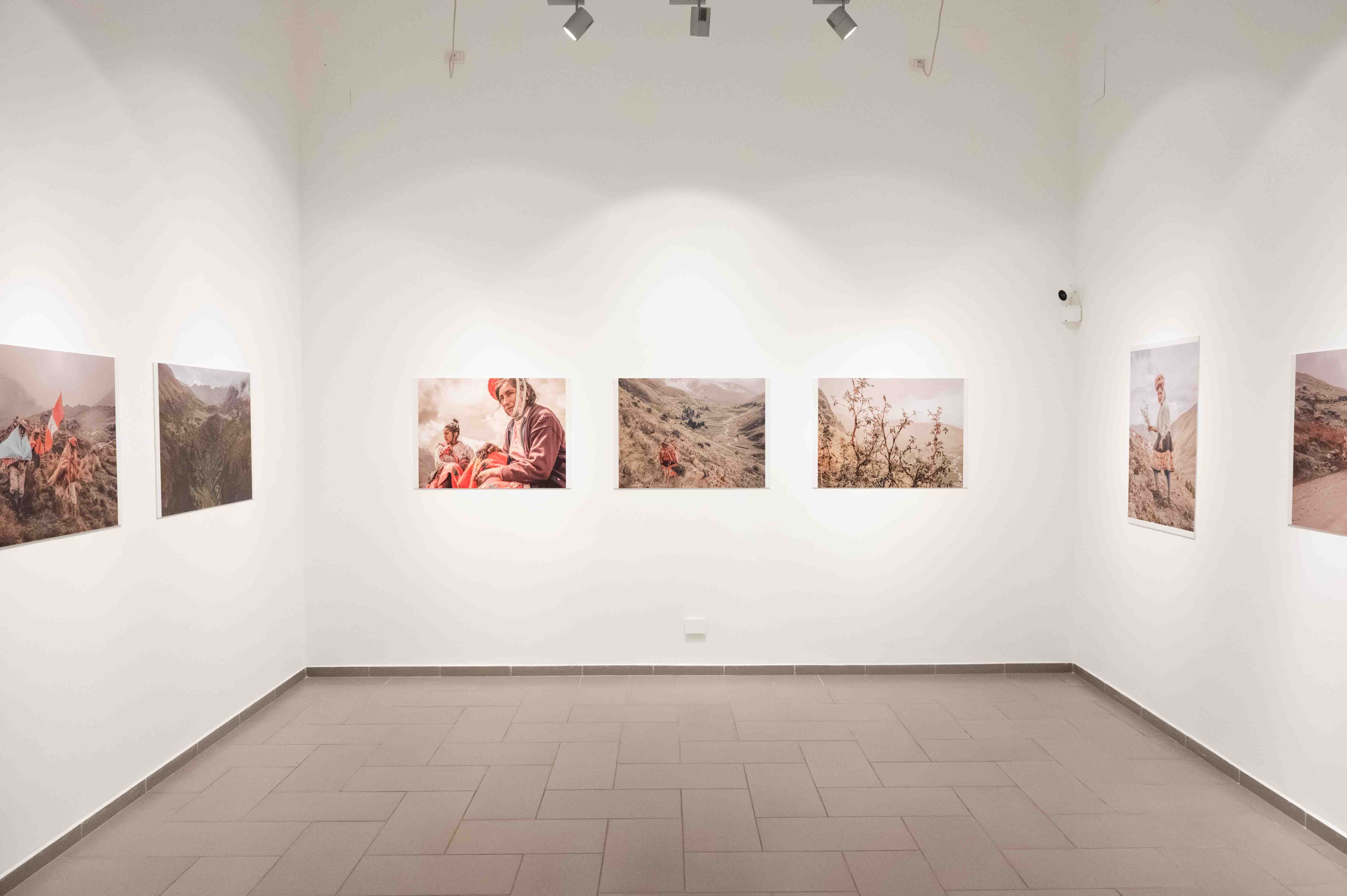
“Most of the stories are tragic,” he said, adding that this was “the only one that had a positive approach to the situation.”
The work also offered an opportunity for close engagement with local communities and meaningful exchanges about conservation. One key moment documented in the essay is the Queñual Raymi, a collective planting event inspired by Inca traditions, during which communities plant up to 150,000 shrubs in a single day, strengthening social ties and reinforcing a sustainable relationship with the land.
“I was very glad to have the opportunity to meet them and have good conversations with the people, trying to understand their conservation approach,” Nolte said.
Looking ahead, Nolte hopes that Through southern lenses: science in focus will help create further opportunities for independent photographers and encourage closer collaboration between photographers and scientists.
“There are not many opportunities for documentary photographers to collaborate with scientists,” he said, stressing the importance of finding “a midpoint where our work can serve the discoveries of the work that scientists do in the field.”
Through southern lenses: science in focus is a science communication initiative that aims to foster dialogue between researchers, communities, and photographers, using images to translate scientific research and community-based solutions into narratives accessible to wider audiences. The exhibition featuring Nolte’s work is on display at Palazzo Pamphilj’s Galleria Candido Portinari, at the Embassy of Brazil in Rome, and is open to the public with free admission until 19 June 2026.
Giovanni Ortolani