


Many of the regions that are most vulnerable to climate change are in the global South, yet experts from these regions remain underrepresented in the assessments produced by the Intergovernmental Panel on Climate Change (IPCC). This imbalance limits the range of perspectives informing global climate analysis and policy debates. The TWAS Climate Training Workshop, made possible through generous support from the David and Lucile Packard Foundation, aimed to address this gap by strengthening the participation and visibility of researchers from the global South in international climate science processes.
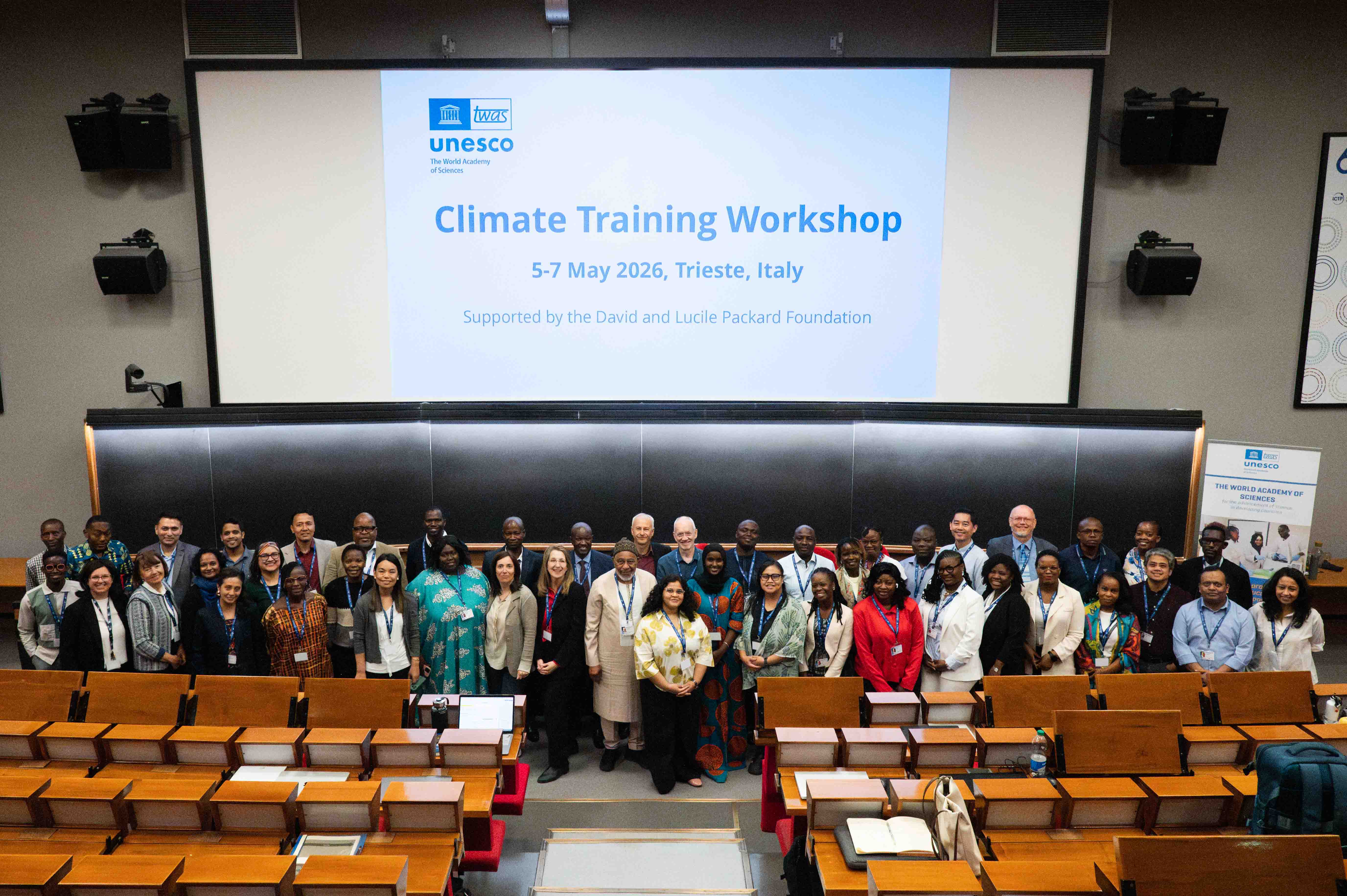
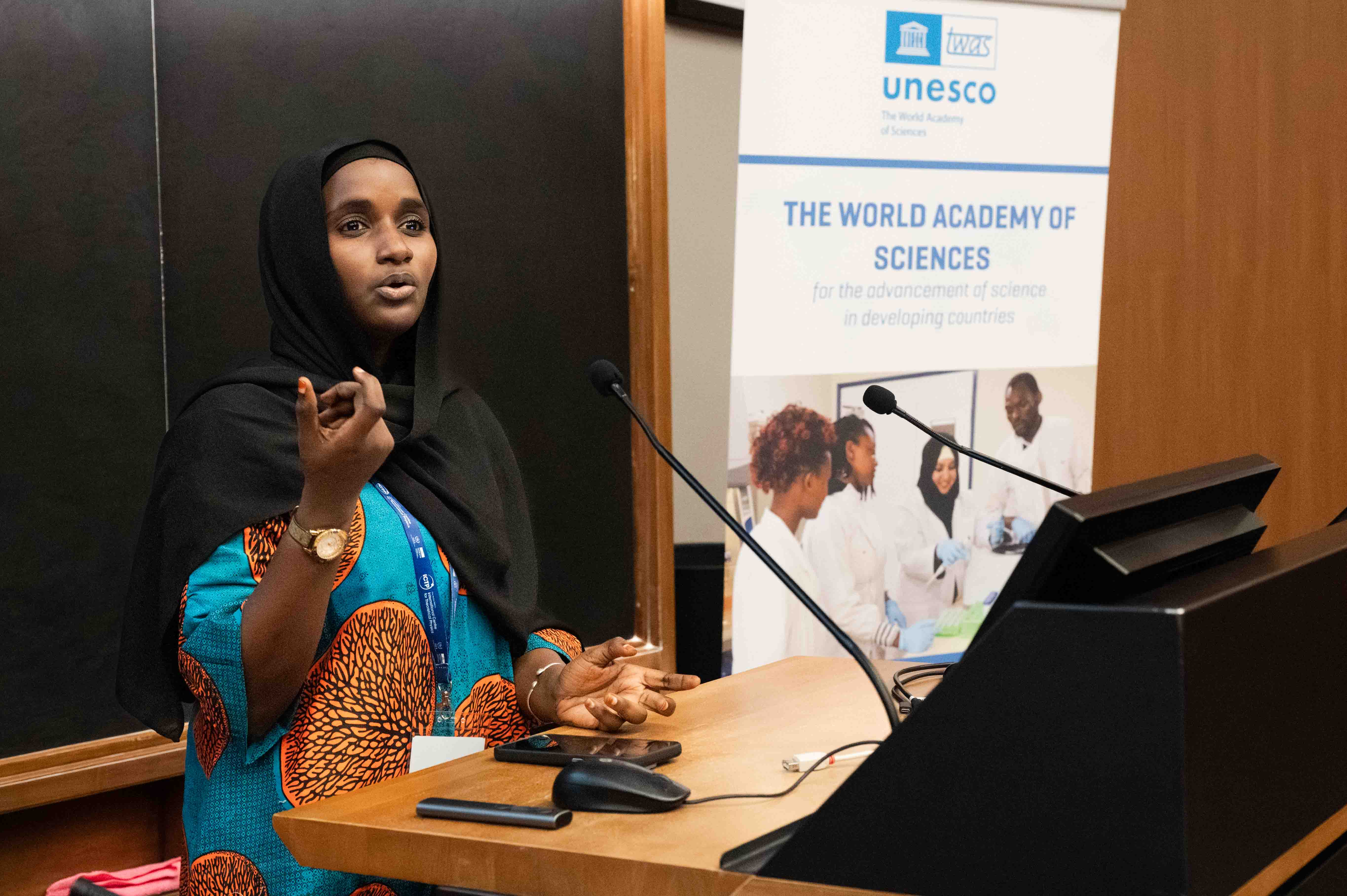
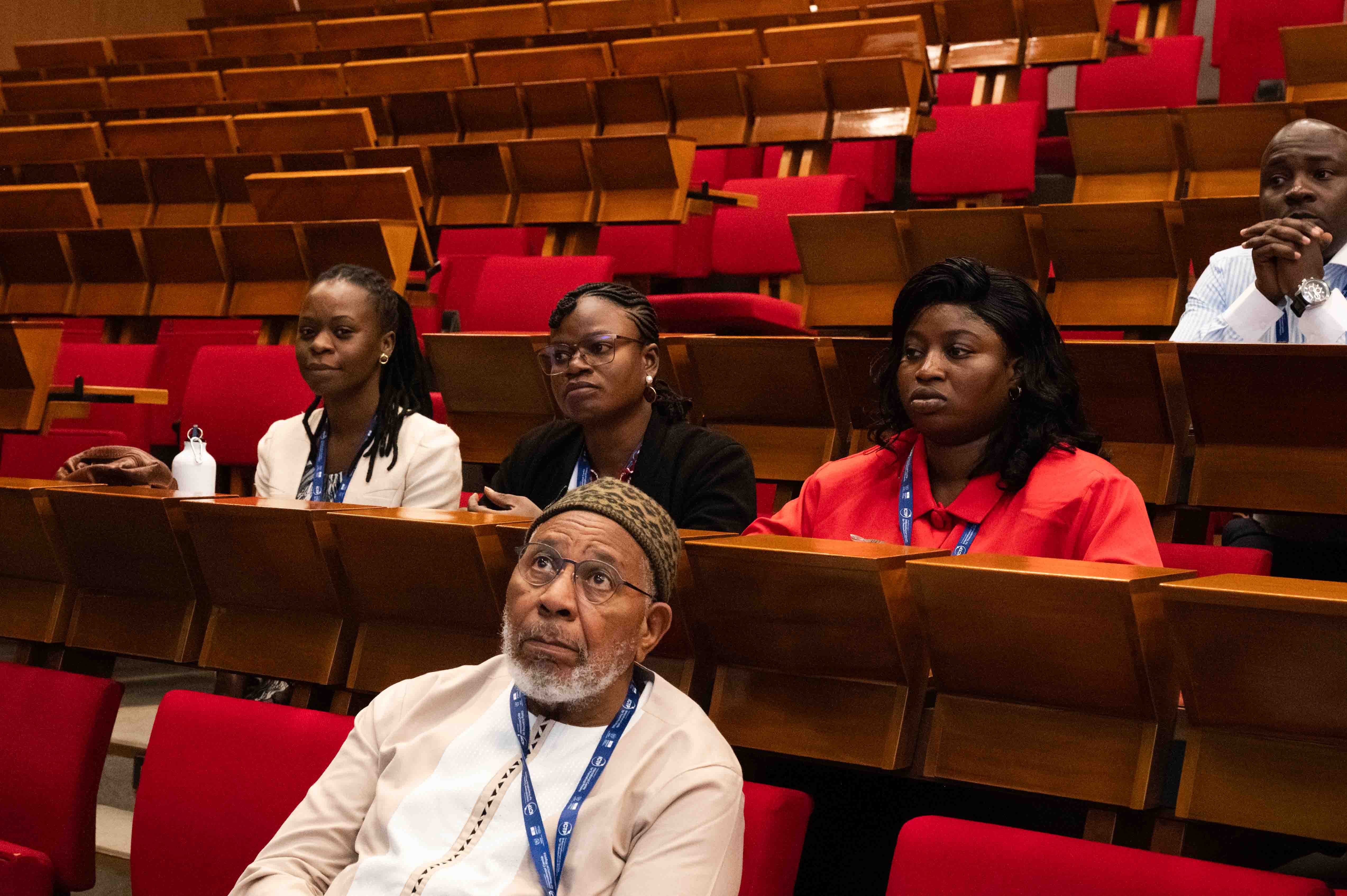
Designed to meet the needs of early- to mid-career researchers from developing countries, the 5–7 May event gathered 37 scientists from 27 developing countries and eight leading experts, including scientists affiliated with the IPCC. A key objective of the workshop was to equip participants with a clear understanding of the IPCC process, explaining how assessments are produced, how scientists contribute, and how participation could support voices from underrepresented countries.
“Attending this workshop was an amazing experience,“ said Nepalese scientist Manjeet Dhakal, head of Least Developed Countries (LDC) support team and director of Climate Analytics South Asia. “Participants shared knowledge, problems, exchanged views and learned from each other.”
Dhakal also participated in the 2024 edition of the workshop, where he gained insight into the multilateral process of climate science. Shortly after returning to Nepal from his first TWAS climate workshop, the Nepalese government asked him to attend an IPCC meeting as a national delegate.
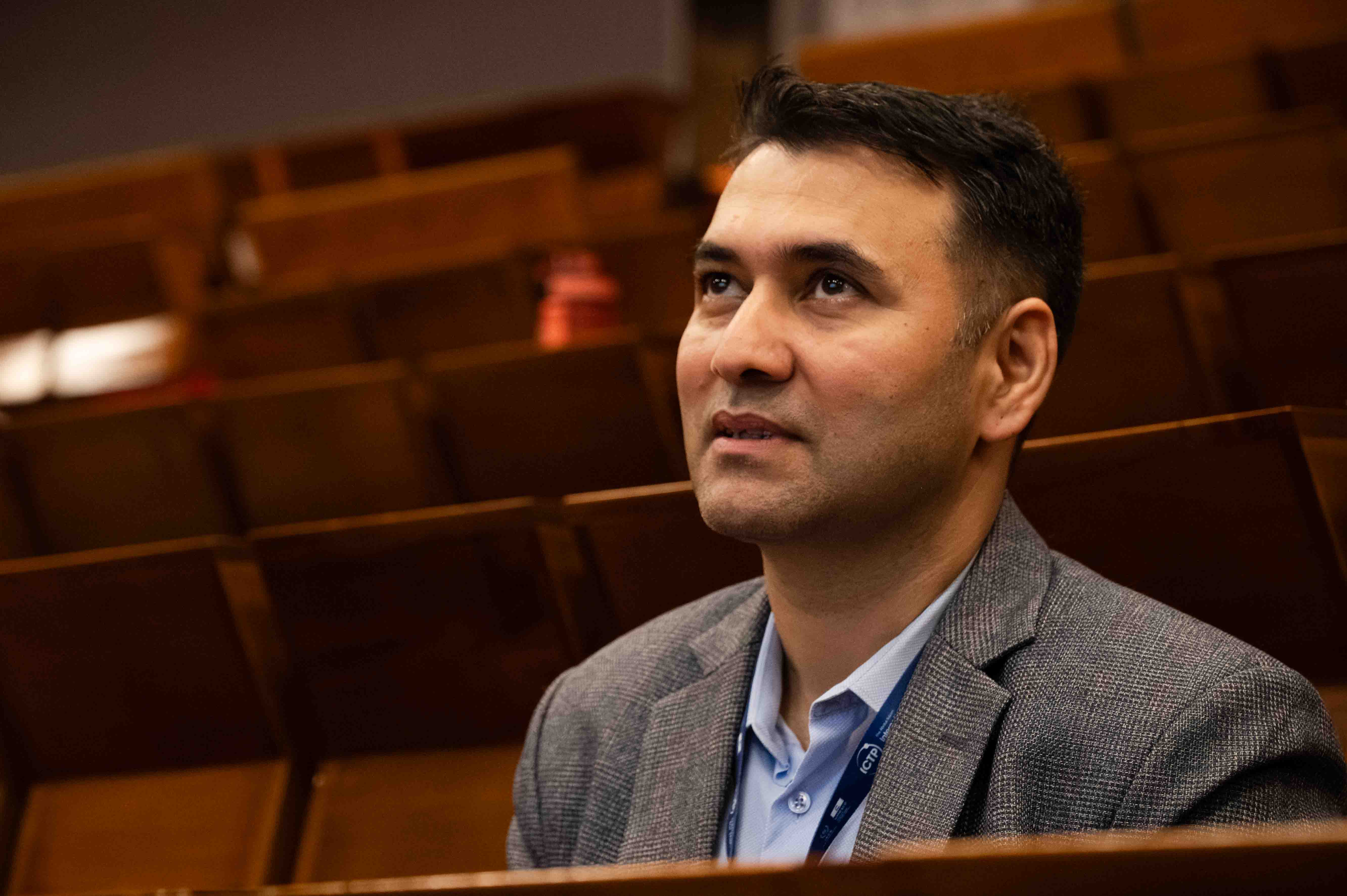
Commenting his second participation in a TWAS climate event, he said: “My previous experience at the climate workshop was invaluable. This year’s edition proved even more profitable: after discussing with colleagues and sharing criticalities and potential resources, we are planning to write a joint paper for the benefit of the international community,” he said. “Also, I found the contact with senior scientists extremely important for the guidance they can provide on how to fill the research gap,” he added.
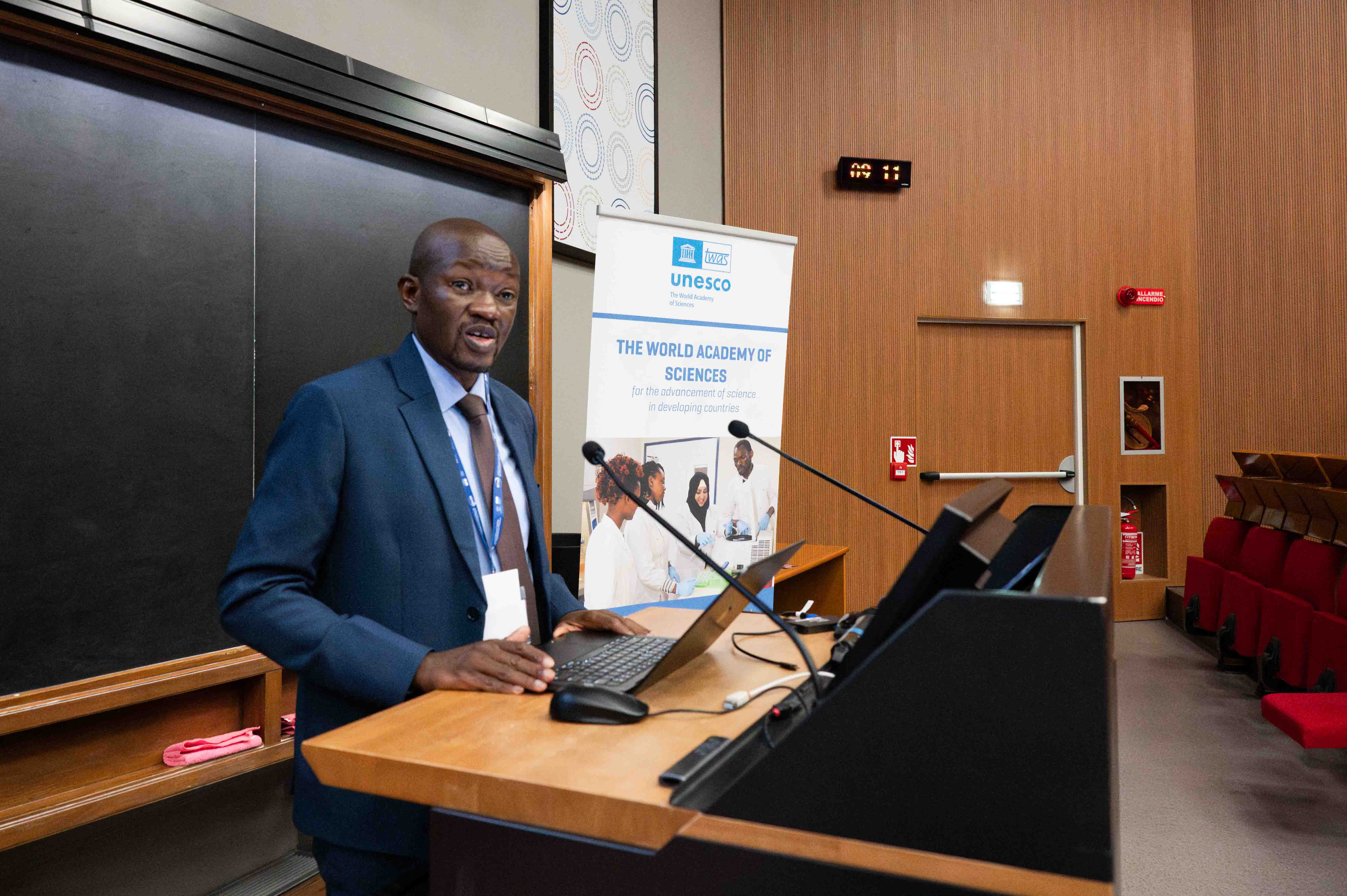
“Workshops like this one are essential because they help fill the knowledge gap between developed and developing countries,” noted Tanzanian meteorologist Ladislaus Chang’a, the IPCC Vice-Chair, and acting director general of the Tanzania Meteorological Authority. “This is a goal we can achieve only by increasing knowledge and competencies of the greatest possible number of scientists in the global South, through hands‑on training and direct engagement.”
Aissatou Seck, a PhD student at Cheikh Anta Diop University in Dakar, Senegal, uses advanced modelling and statistical analysis to study the impacts of extreme weather events. Senegal, she noted, is increasingly affected by both droughts and floods.
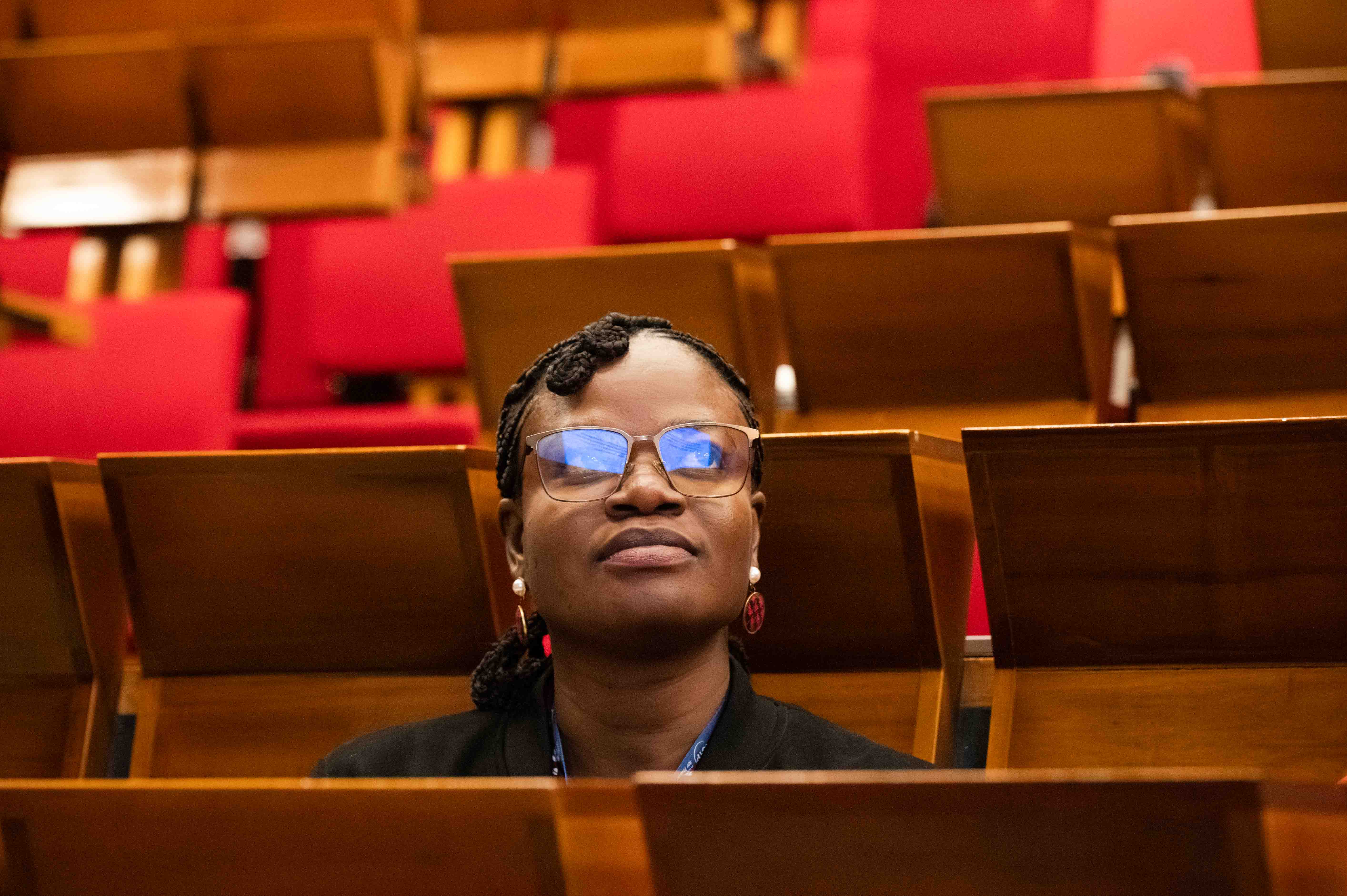
“This workshop inspired me to play an active role and become a driving force in strengthening my country’s resilience to the impacts of climate change. I will certainly participate more closely in IPCC processes, in the future,” she said. She plans to dedicate an even greater part of her research to identifying ways to reduce the impacts of these events.
Bhole Nyaisaba, a PhD student at the University of Dar es Salaam, Tanzania, who attended a TWAS workshop on climate change for the first time this year, works on the valorization of biowaste through the application of emerging technologies. He found two elements of the presentations really inspiring. “What I learned about the negotiation process among IPCC, governmental delegations and the scientists, and how they come together to co-produce the climate assessments, was stimulating,” he said. “And the concept of tipping points—the limits that the world can sustain before collapsing—was thought-provoking.”
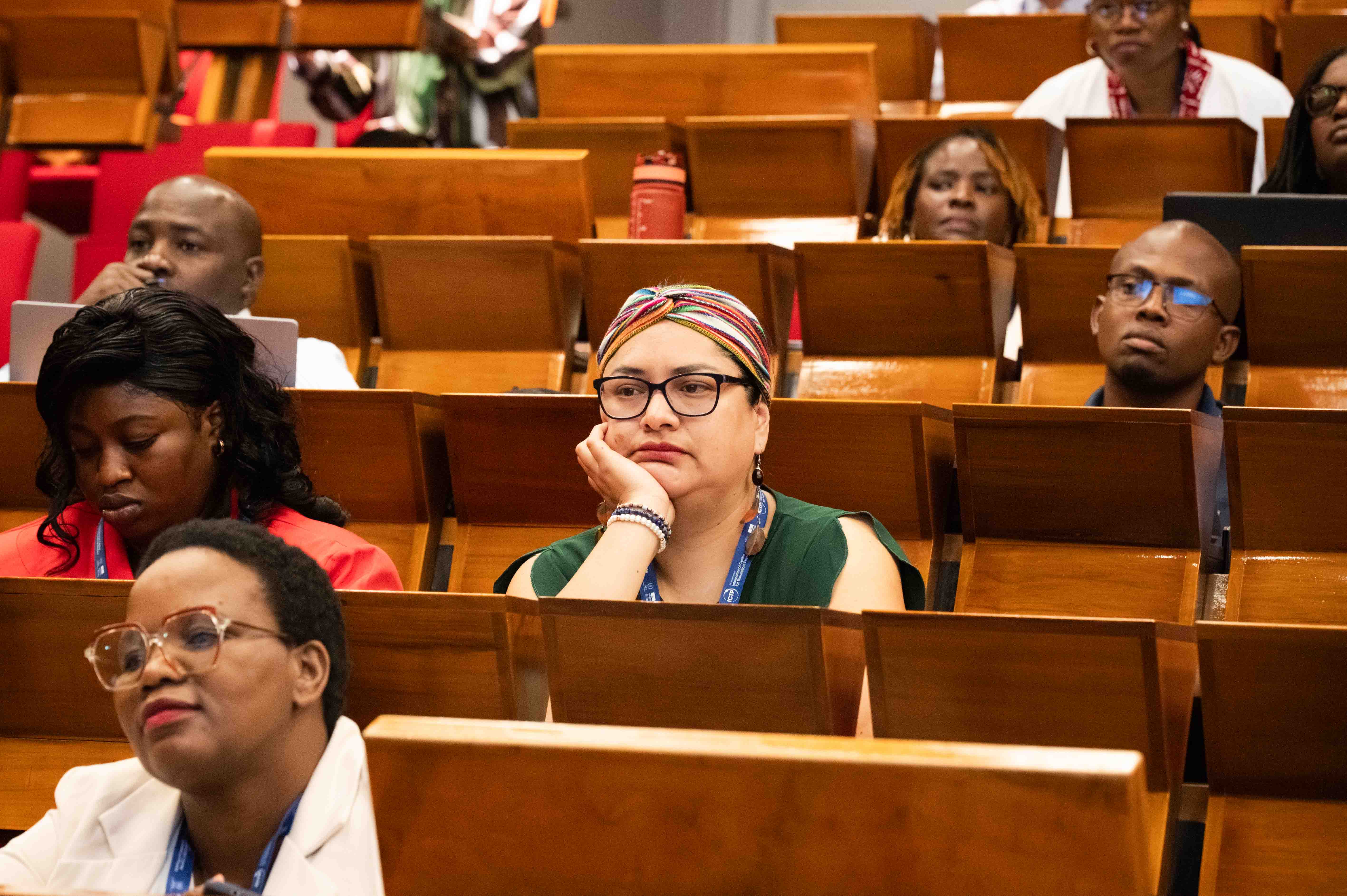
TWAS climate workshops offer the opportunity to deepen knowledge of climate-related issues, but also to broaden scientific expertise, build professional networks and personal skills, said Malian entomologist Aïssata Sanogo. She is also the recipient of a TWAS-Sida PhD Scholarship for Climate Research for Students from Least Developed Countries (LDCs), now working at the International Centre of Insect Physiology and Ecology (icipe), Kenya.
“Receiving the scholarship and then participating in the TWAS workshop enabled me to expand my global connections, strengthen my research capacity, and also to realize a long-held desire I had: improve my English skills,” she said.
Cristina Serra
Additional photos are available in the TWAS Flickr album: TWAS Climate Training Workshop